Our feet support us every day, but we often forget to give them the attention they deserve.
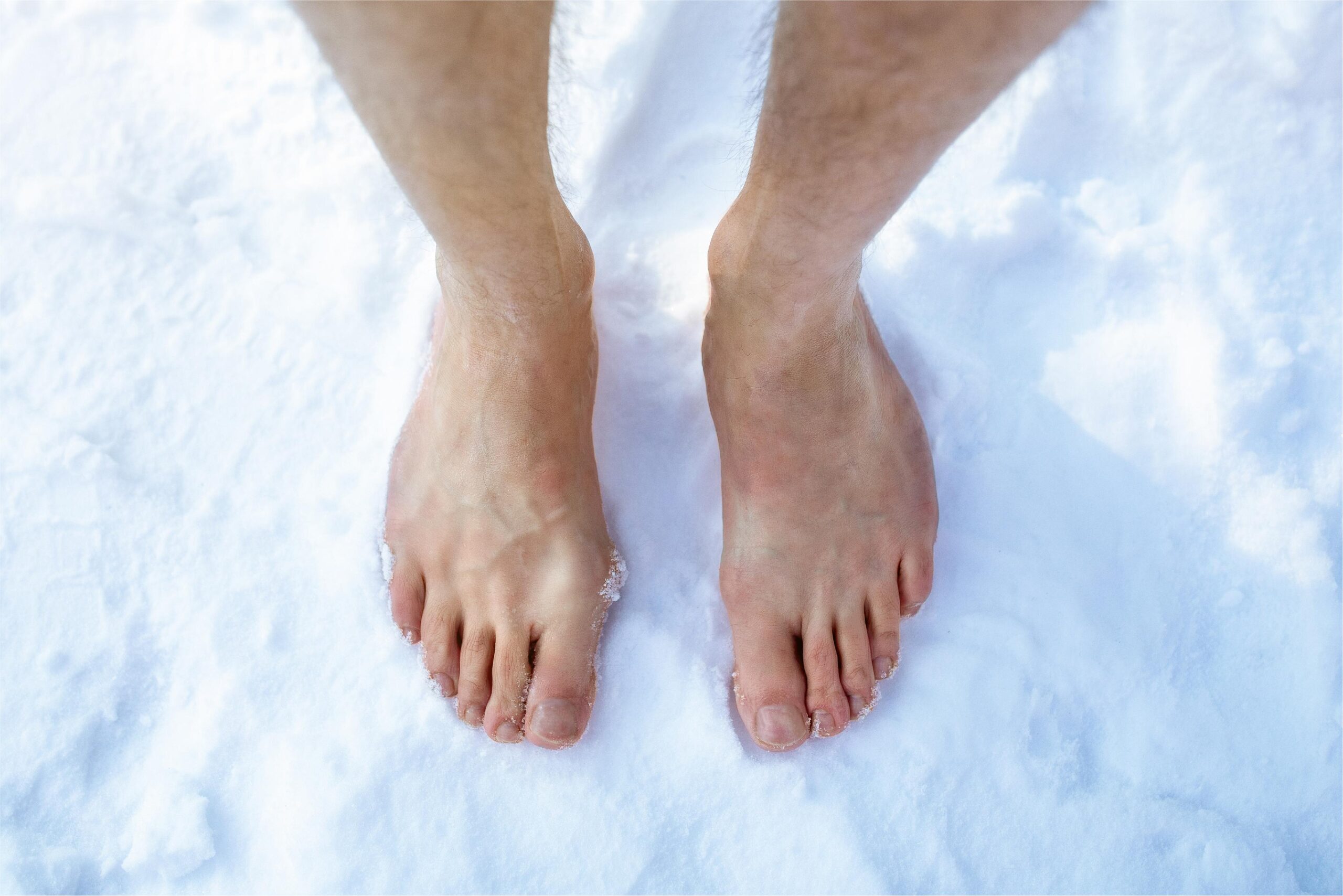
During winter, the skin can become drier, rougher, and more vulnerable to cracks. Low air humidity, indoor heating, hot baths, and prolonged contact with footwear are some of the factors that contribute to this discomfort.
In this article, we highlight some winter foot care tips to prevent dry, cracked feet and other common problems during the colder months.
How can winter affect your feet?
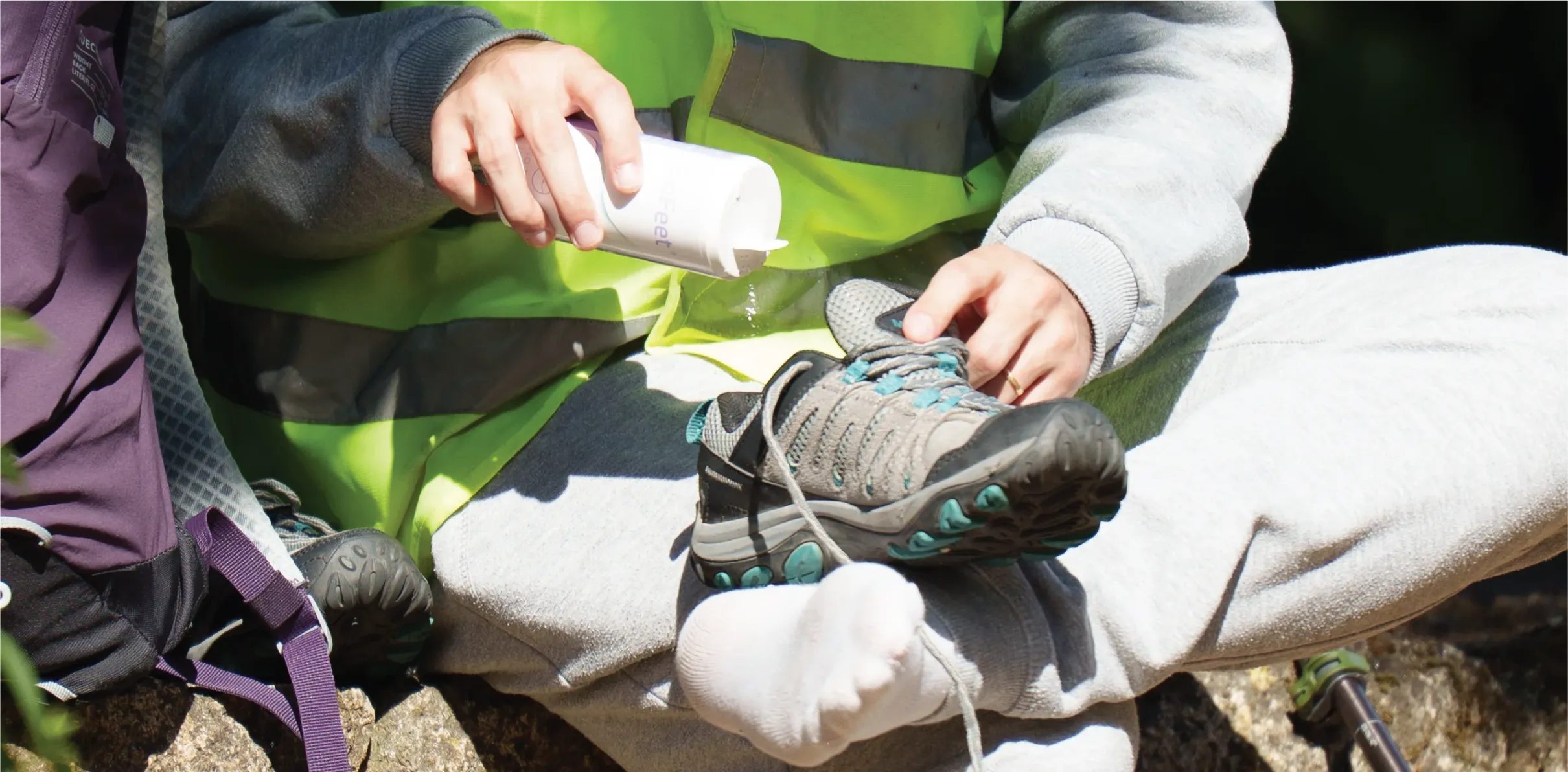
In winter, feet are often covered for several hours. Although this protection is important against the cold, prolonged use of closed footwear can increase friction and retain perspiration.
As a result, different problems can coexist:
- Dry or thick skin on the heels
- Tight, pulling sensation
- Cracks and fissures
- Moisture between the toes
- Accumulated perspiration
- Friction and pressure areas
- Nails weakened by repeated trauma
- Greater discomfort caused by the cold
Moisture retained in socks and footwear can also create a favorable environment for the development of fungal changes. That’s why it’s just as important to hydrate dry areas as it is to keep the spaces between the toes properly dry.
People with circulatory or sensitivity changes should pay special attention during the cold months. Persistent changes in the color or temperature of the feet require professional assessment.
5 Winter Foot Care Tips:
To keep your feet more protected and comfortable during this season, it’s important to adopt some specific habits.
1. Hydrate daily
Cold weather, low air humidity, and indoor heating can reduce the skin’s ability to retain water.
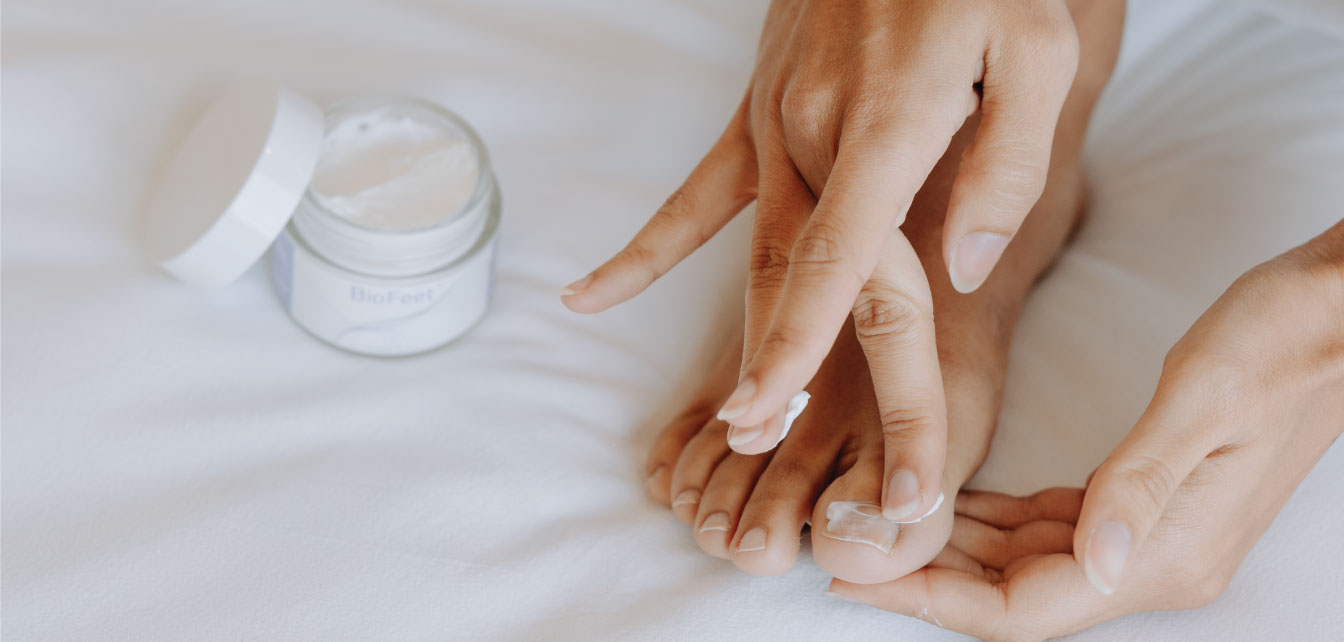
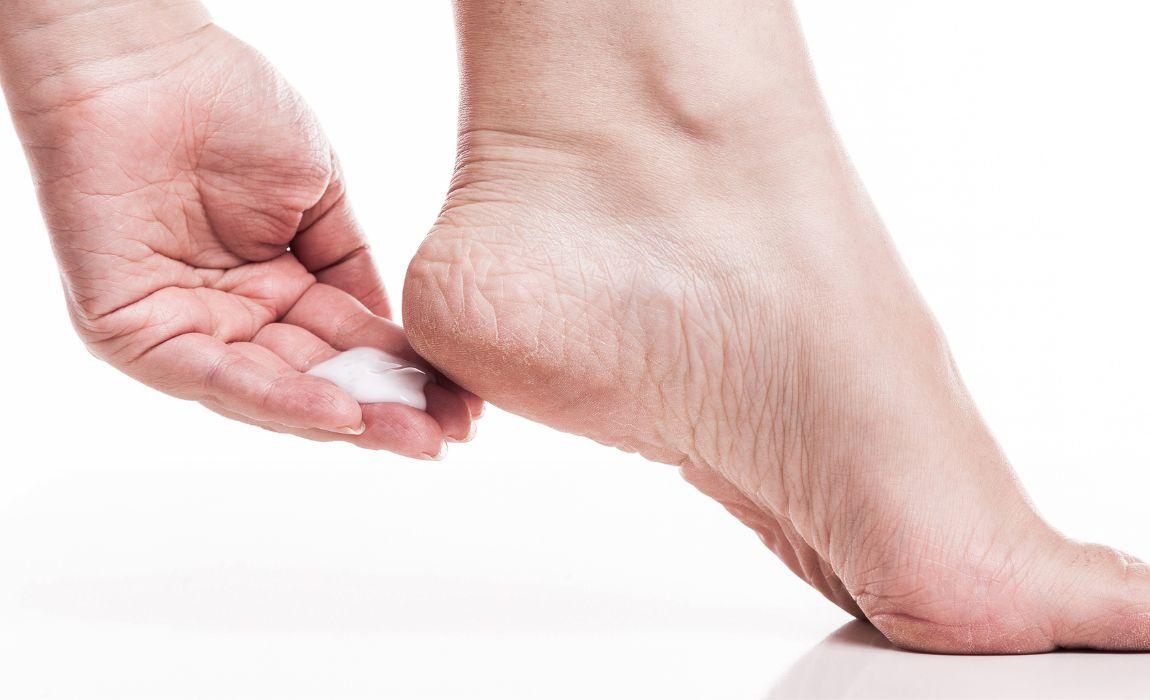
Apply a product suitable for dry or very dry skin daily, paying special attention to the sole, heels, and rough areas.
Avoid applying cream between the toes, as excess moisture in this area can encourage maceration.
2. Avoid tight footwear
Footwear that is too tight can cause pressure, friction, and repeated microtrauma.
Check that there is enough space to move your toes and that no part of the shoe exerts continuous pressure on the skin or nails.
Alternate footwear whenever possible and allow each pair to dry completely before wearing it again.
3. Choose suitable socks
Socks should help maintain temperature without accumulating moisture next to the skin.
Choose breathable materials suitable for the activity. Cotton, wool, or technical fiber socks may behave differently in managing perspiration.
The most important thing is that they fit well, don’t form creases, and are changed whenever they become damp.
4. Maintain regular hygiene
Wash your feet with warm water, avoiding very hot or prolonged baths.
After washing:
- Dry all the skin carefully
- Pay special attention to the spaces between the toes
- Avoid rubbing sensitive areas
- Don’t put on socks or shoes with damp feet
- Let footwear air out between uses
5. Keep moving
When health conditions allow, walking and performing simple mobility exercises for the feet and ankles helps avoid long periods of immobility.
A gentle massage during moisturizer application can also provide comfort, but should not be presented as a treatment for circulatory problems.
In the presence of pain, circulatory changes, or loss of sensitivity, seek professional advice before starting a new exercise or massage routine.
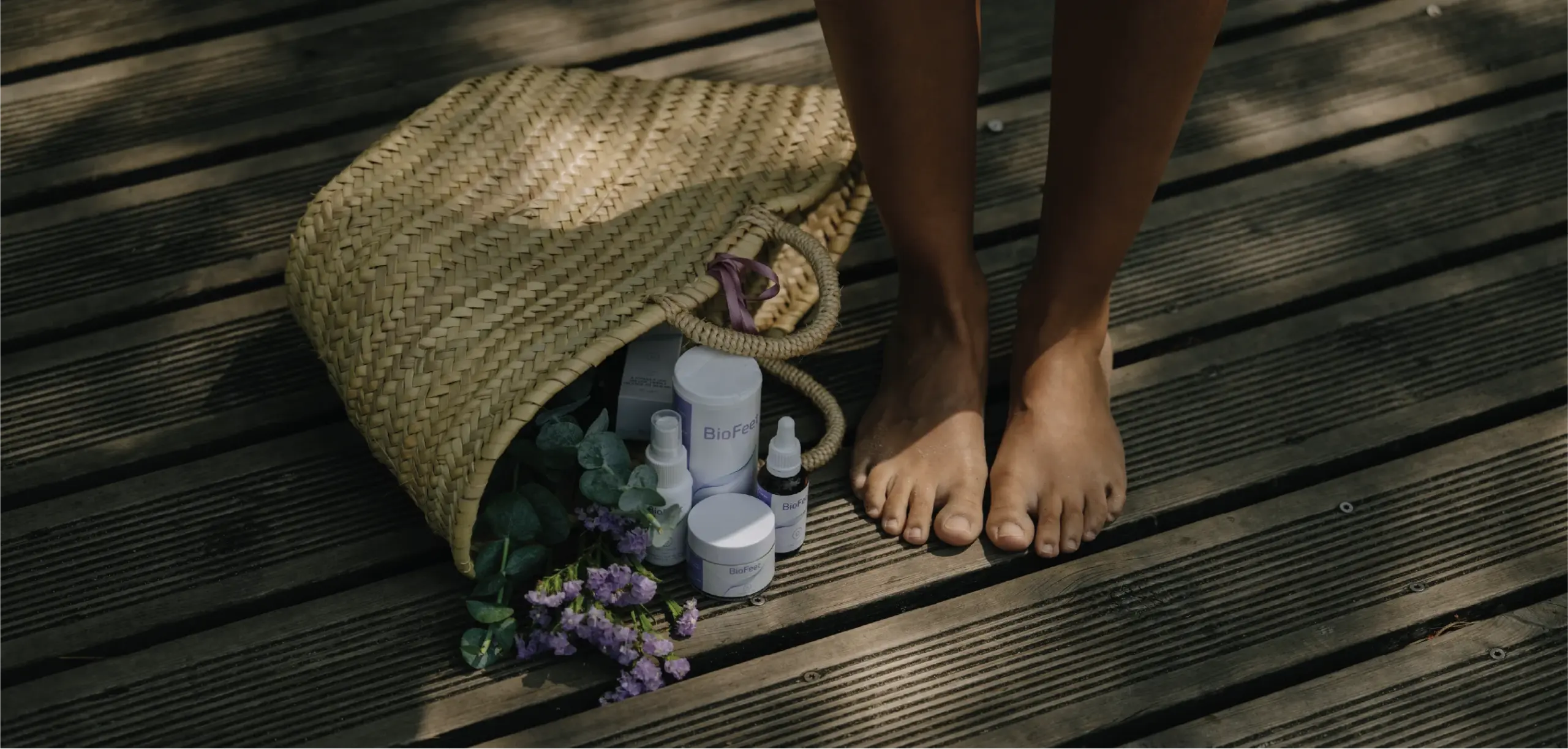
BioFeet® HydraCare for daily hydration
BioFeet® HydraCare was developed for the daily care of dry and very dry skin.
With over 99% naturally derived ingredients, it has a fluid, fast-absorbing texture, helping to provide deep hydration without leaving an excessively greasy sensation.
It can be applied after bathing or before putting on shoes, allowing time for the product to absorb.
For proper application:
- Use on clean, dry skin
- Apply an appropriate amount to dry areas
- Pay special attention to the heels
- Massage gently until absorbed
- Avoid the spaces between the toes
- Do not apply directly to open wounds
- Maintain regular use
What about thick skin?
When dryness is accompanied by thick skin, persistent roughness, or accumulation of dead cells, hydration alone may not be enough.
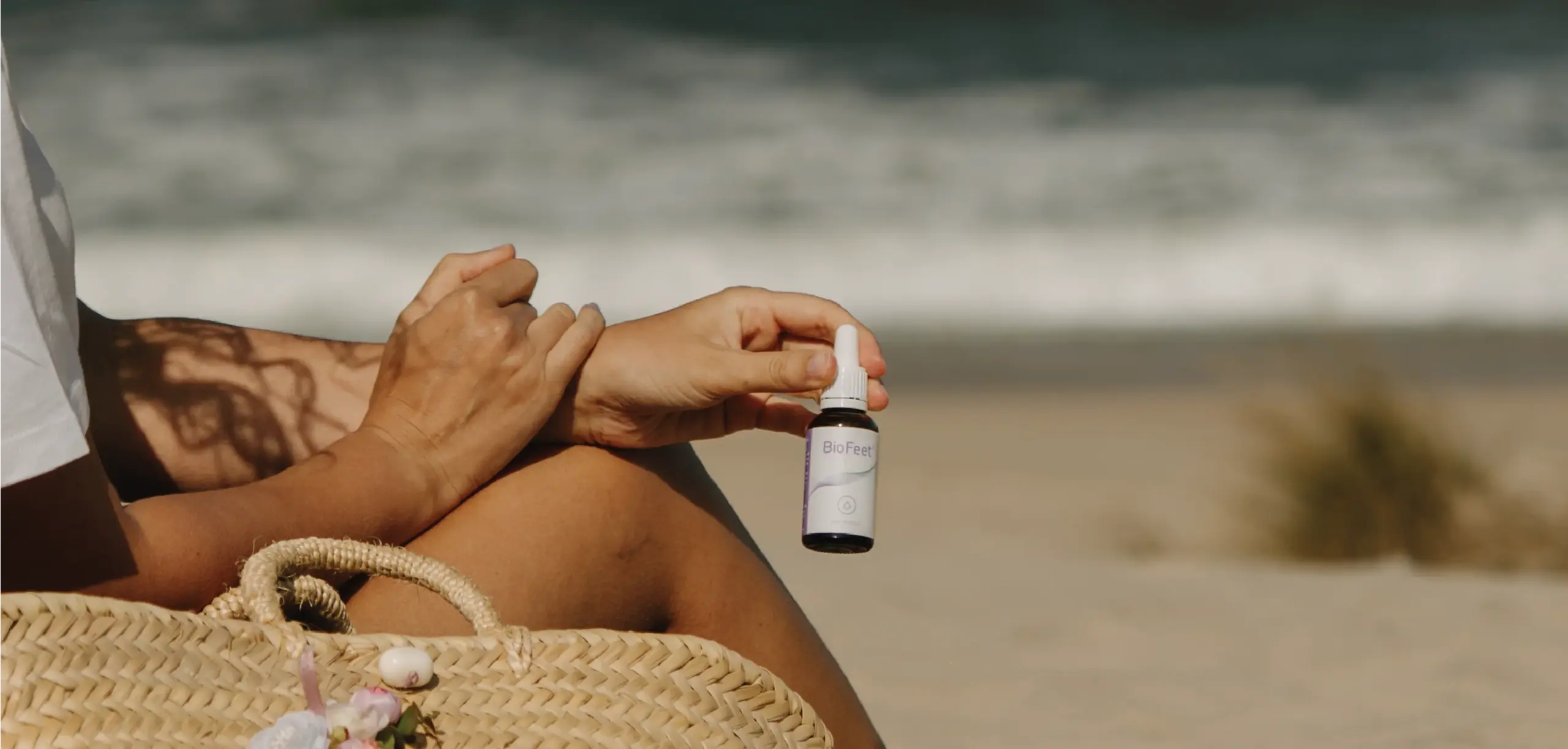
In these cases, BioFeet® Drops can be integrated as a complement through its selective keratolytic action.
This action helps naturally remove dead cells and control excess keratin layers, without resorting to aggressive mechanical removal.
BioFeet® Drops should be used according to the instructions on the packaging or with professional guidance.
When should you see a Podiatrist?
Seek professional guidance if there are:
- Pain when walking
- Deep or bleeding cracks
- Wounds or blisters
- Persistent itching and peeling
- Changes in the color or temperature of the feet
- Numbness or loss of sensitivity
- Swelling
- Significant nail changes
- Rapid worsening of the skin
People with Diabetes, circulatory changes, or reduced sensitivity should not perform aggressive procedures on their feet at home.
Protect your feet throughout winter
Integrating this care into a daily routine can make a difference in skin comfort during the colder months.
Hydrate dry areas, keep the spaces between the toes properly dry, choose suitable footwear, and regularly observe the skin and nails.
At BioFeet®, you will find specific solutions to adapt care to the different needs of your feet, during winter and throughout the year.