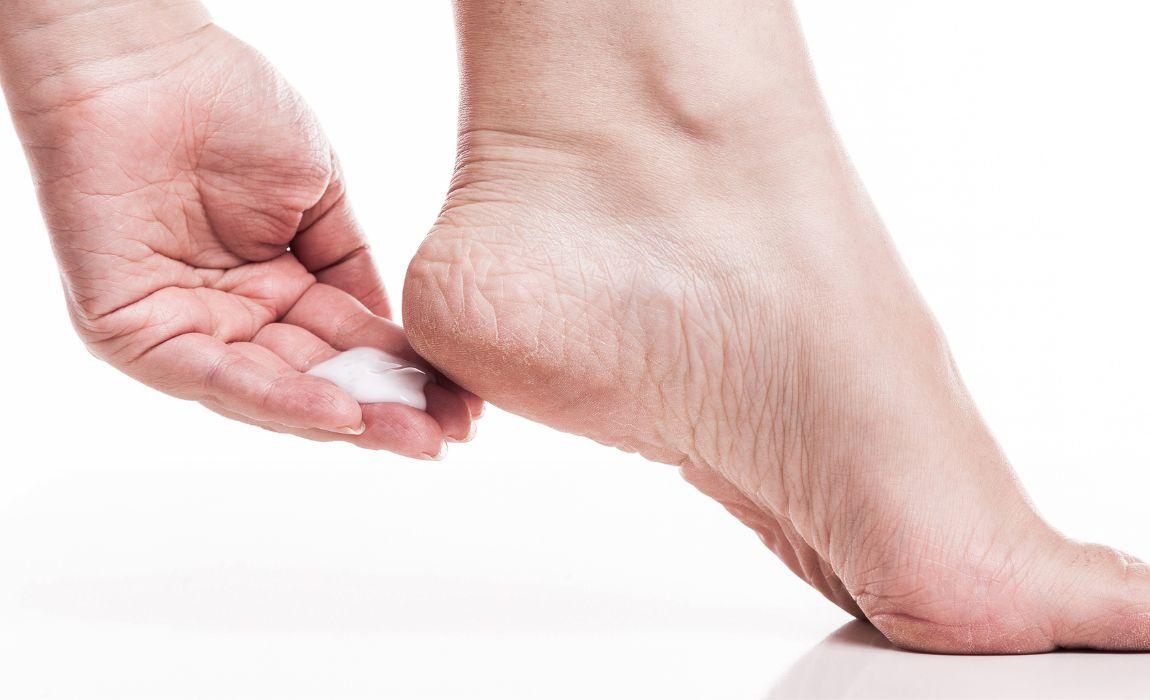
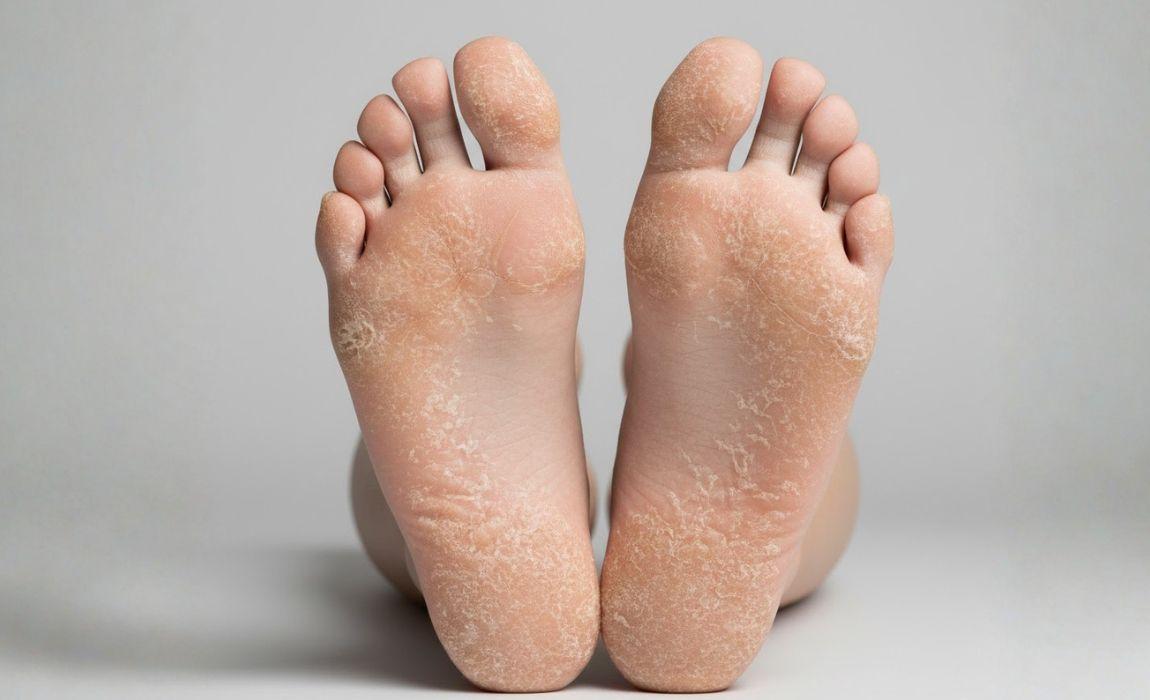
Dry feet are not just an aesthetic issue. When the skin loses hydration and elasticity, the feeling of tightness increases, along with roughness and the tendency for cracks in the feet (especially the heels). A deep hydration routine with fast absorption improves daily adherence, helping to consolidate results.
Why do feet get so dry?
Common factors: hot, long baths, closed footwear and repeated friction, irregular moisturising, naturally thicker skin on the heel, drier ambient air, and seasonal changes.
Common signs that the skin needs deep hydration
- A feeling of skin “tightness” at the end of the day
- Feet that are constantly rough
- Heel skin “catching” on socks
- Superficial cracks
- Discomfort when walking barefoot
The best routine is one that responds to the skin’s needs and can be maintained over time. Applying a large amount of cream only occasionally tends to be less useful than regular application.
1. Wash feet gently
Use warm water and avoid excessively hot or prolonged baths. Very hot water can contribute to the loss of the skin’s natural oils and increase the feeling of dryness.
You should also avoid excessively harsh or perfumed hygiene products when the skin is already sensitive.
2. Dry carefully
After washing, dry your feet without rubbing intensely. Pay special attention to the spaces between the toes, where moisture tends to remain longer.
The skin should be dry between the toes before putting on socks or shoes.
3. Apply cream regularly
The time after bathing is particularly suitable for hydration. The American Academy of Dermatology recommends applying moisturizing care shortly after washing.
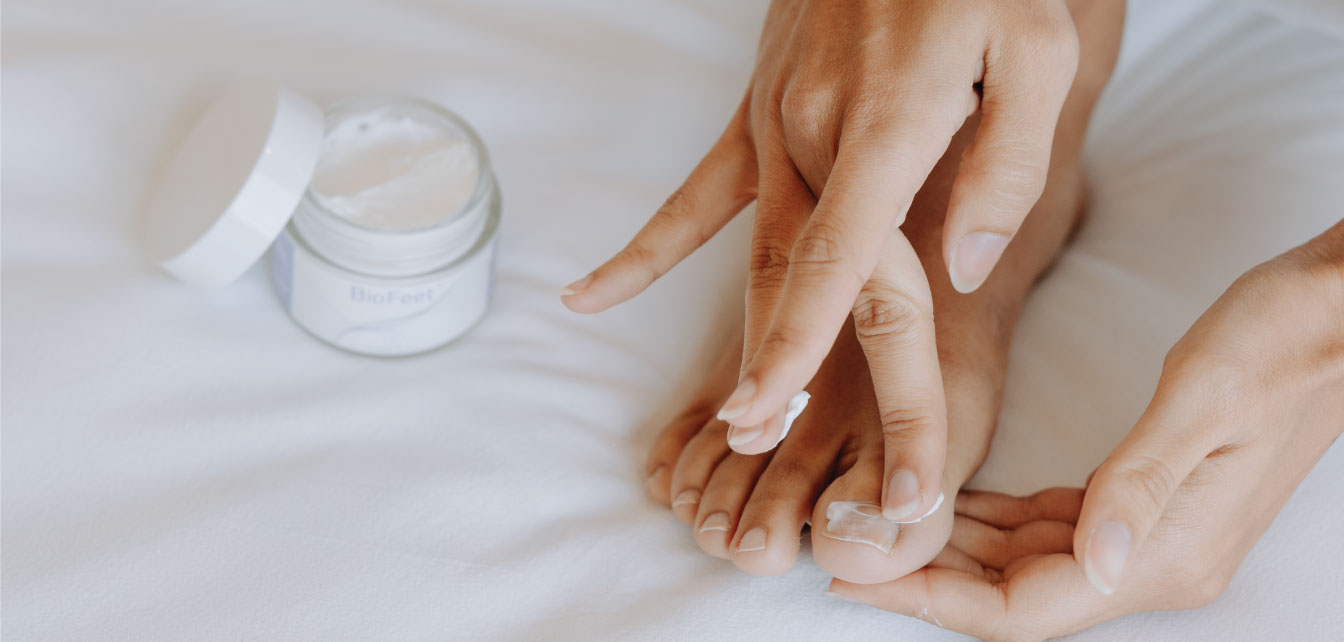
Distribute the product over dry areas, especially on the heels, soles, and rough areas. Avoid applying cream in the spaces between the toes, as excess moisture in this area can promote maceration.
4. Adjust frequency to dryness
One daily application may be sufficient to maintain hydration in some people. During periods of more intense dryness, it may be useful to apply the product in the morning and at the end of the day, according to usage instructions.
Frequency should be adjusted to the skin’s response. More product or excessive applications do not necessarily mean faster results.
5. Maintain care after improvement
Hydration should not stop as soon as the skin feels more comfortable. Continuity helps maintain elasticity and reduce the tendency for roughness and cracks to reappear.
When dryness improves, frequency can be adjusted to a maintenance routine.
How to choose a cream for dry feet?
A cream for dry feet should respond to the specific characteristics of this area. The skin on the heels is thicker than on other parts of the body and is subject to constant pressure.
When choosing a product, consider:
- Hydration capacity
- Suitability for dry or very dry skin
- Comfortable texture
- Fast absorption
- Ease of application
- Possibility of daily use
- Skin tolerance to ingredients
Fast absorption does not, by itself, determine the effectiveness of a cream. However, it can facilitate daily use and reduce the discomfort associated with an excessively greasy feeling.
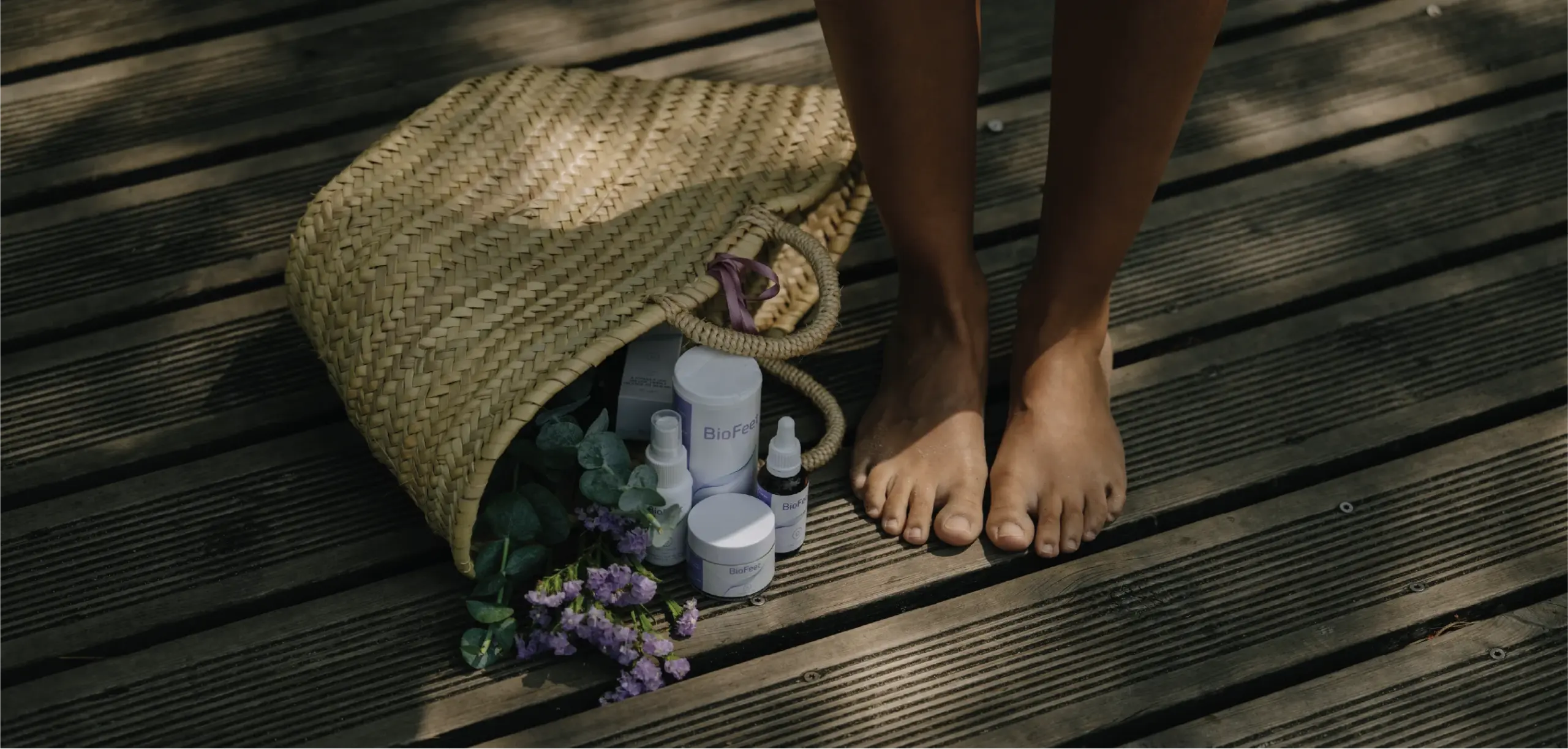
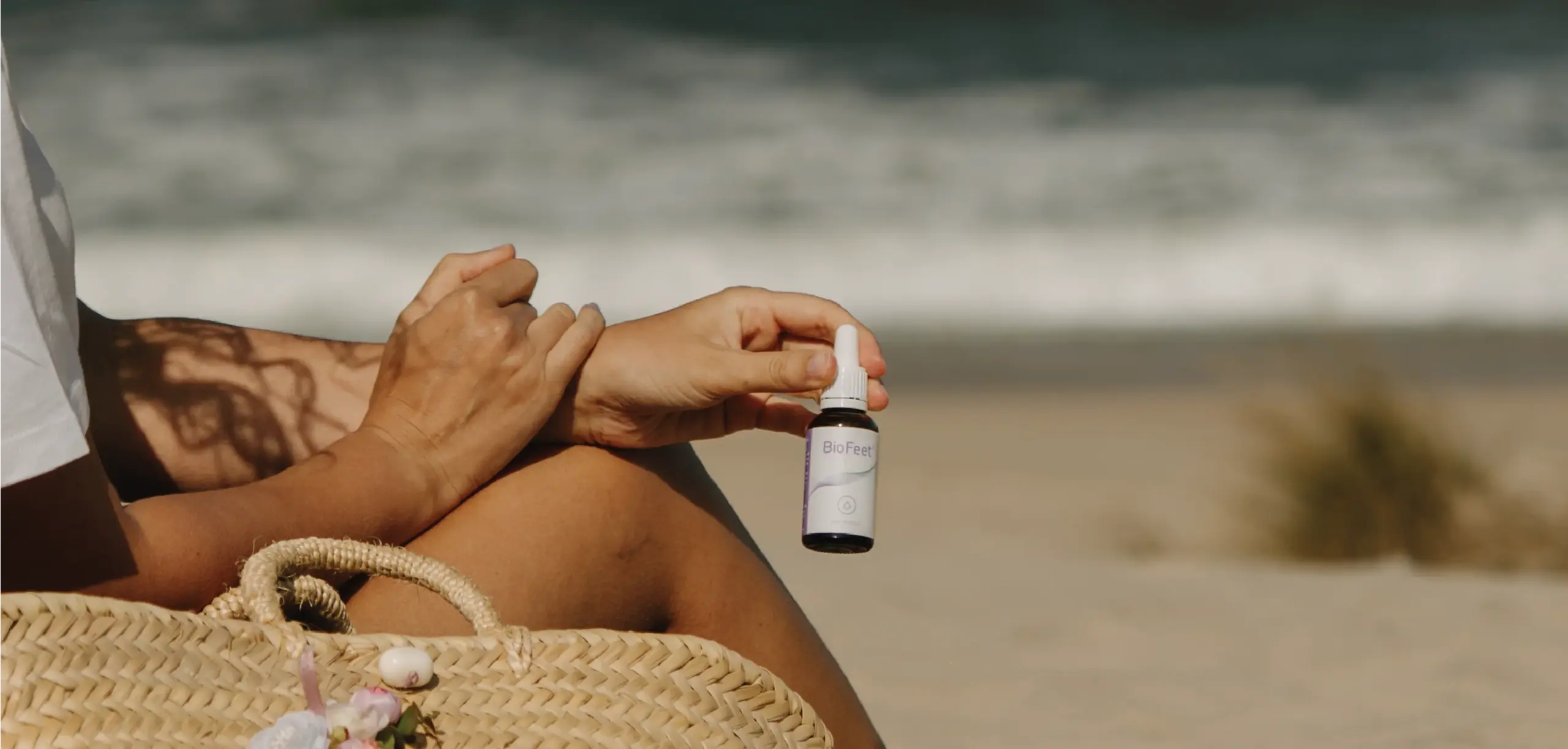
BioFeet® HydraCare for daily hydration
The BioFeet® HydraCare was developed for the care of dry and very dry skin.
Its deep hydration and fast absorption allow the product to be integrated into the daily routine, including before putting on shoes. The texture facilitates distribution in areas that need greater care, such as the heels and rough areas.
For proper application:
- Apply an amount appropriate to the area
- Massage gently until absorbed
- Pay special attention to the heels
- Avoid the spaces between the toes
- Maintain regular use
- Follow the instructions on the packaging
During periods of greater dryness, BioFeet® HydraCare can be applied at the end of the day and reinforced in the morning, according to the skin’s needs.
What can cause cracks in the heels?
Cracks appear when the skin loses flexibility and does not adequately accommodate the pressure exerted on the heel.
Dryness is one of the main factors, but not the only one. Excess thick skin, wearing open-back footwear, prolonged standing, and certain health conditions can also contribute.
Superficial cracks may start as small dry lines. Without care, they can deepen and cause pain or bleeding.
Hydration helps preserve the skin’s elasticity, but does not replace the assessment of deep or recurrent cracks.
Mistakes that can worsen dryness
To keep your feet more comfortable, avoid:
- Applying cream only when the skin is already very dry
- Filing heels aggressively
- Cutting thick skin with objects
- Using excessively hot water
- Applying irritating products
- Putting cream between the toes
- Ignoring pressure caused by footwear
- Wearing sandals that are too tight on the heel
- Completely stopping hydration after improvement
Excessive removal of skin can increase sensitivity and cause small injuries. When there is significant thickening, the procedure should be guided or performed by a podiatrist.
When to see a podiatrist?
Seek professional assessment if there is:
- Deep crack
- Bleeding
- Pain when walking
- Redness
- Heat or swelling
- Discharge
- Rapid skin change
- Persistent dryness despite care
- Decreased sensitivity
People with diabetes or circulation problems should pay special attention to cracks and wounds on their feet. In these cases, they should not perform aggressive procedures at home.
Frequently Asked Questions
How long does it take to notice a difference?
The time varies depending on the initial condition of the skin, the product used, and the regularity of application. Some people may feel greater comfort in the first few days, but recovery of elasticity and reduction of roughness require continuity.
Can I use BioFeet® HydraCare in the morning?
Yes. Fast absorption allows the product to be applied in the morning, waiting for it to be absorbed before putting on socks and shoes.
When there is more intense dryness, application can be done in the morning and at the end of the day, respecting usage instructions.
Should I apply cream between the toes?
It is not advisable to regularly apply cream in the spaces between the toes, unless specifically indicated by a professional. Excess moisture in this area can promote skin maceration.
Can I file my heels before applying cream?
Very gentle exfoliation may be appropriate in some situations, but aggressive filing should be avoided. Do not use files on cracks, wounds, inflammation, or painful skin.
If there is a significant layer of thick skin, seek assessment from a podiatrist.
Does hydration completely prevent cracks?
Hydration helps maintain skin elasticity and reduce one of the factors associated with cracks. However, it does not guarantee complete prevention, as pressure, footwear, and some health conditions can also influence their appearance.
Daily hydration for lasting comfort
Dry feet should not be treated only when they become visible or uncomfortable. A simple, regular routine helps keep the skin more flexible, cared for, and prepared for daily demands.
Apply BioFeet® HydraCare to dry areas, respect the skin’s needs, and maintain hydration even after noticing improvements.
When cracks are deep, painful, or persistent, seek professional advice.