A detached nail can catch on socks, break easily, and cause discomfort when walking or wearing closed shoes. This detachment of the nail plate from the nail bed is called onycholysis.
Onycholysis can affect just a small area or a more extensive part of the nail. Although it does not always cause pain, it deserves attention, as the detached area becomes more vulnerable to friction, debris accumulation, and the development of secondary changes.
In most cases, recovery does not depend on an isolated action. It requires the identification of the cause and a consistent routine of protection, hygiene, and nail care.
What is Onycholysis?
Onycholysis corresponds to the partial separation of the nail plate from the bed, which is the structure upon which the nail sits.
The detached area may take on a white or opaque appearance, as there is no longer direct contact between the plate and the bed. Changes in color, thickness, or texture may also appear, depending on the cause and the duration of the condition.
The part of the nail that is already detached generally does not reattach to the nail bed. The goal of care is to protect the area, control the cause, and create conditions so that the new nail grows attached to the bed.
Why Can Nails Become Fragile or Start to Detach?
Toenails are exposed to friction, pressure, and moisture more frequently than it seems. Some common situations that can increase the vulnerability of the nail plate include:
- Tight, rigid footwear or footwear with repeated impact on the tip of the toe.
- Sports practice and frequent microtrauma.
- Prolonged moisture inside footwear and perspiration.
- Improper cutting and mechanical aggression (excessive filing, pulling “edges”).
- Alterations of the skin and nail environment, including contexts where there is a greater risk of fungal imbalance.
- Associated diseases.
Note: when there is marked alteration in color, thickness, odor, pain, or inflammation, it is important to exclude specific causes (diseases) with professional evaluation.
What Does “Detached Nail” Mean?
When the nail loses part of its connection to the nail bed, it tends to become more vulnerable to friction, debris accumulation, and may break.
Practical Nail Care Routine (What Can Yield Better Results)
1) Keep the Foot and Footwear “Drier” Inside
Retained moisture is a factor that aggravates discomfort and weakens nails. Simple measures make a difference:
- Dry thoroughly after bathing, including between the toes.
- Change socks when they become damp.
- Alternate pairs of footwear and allow complete ventilation.
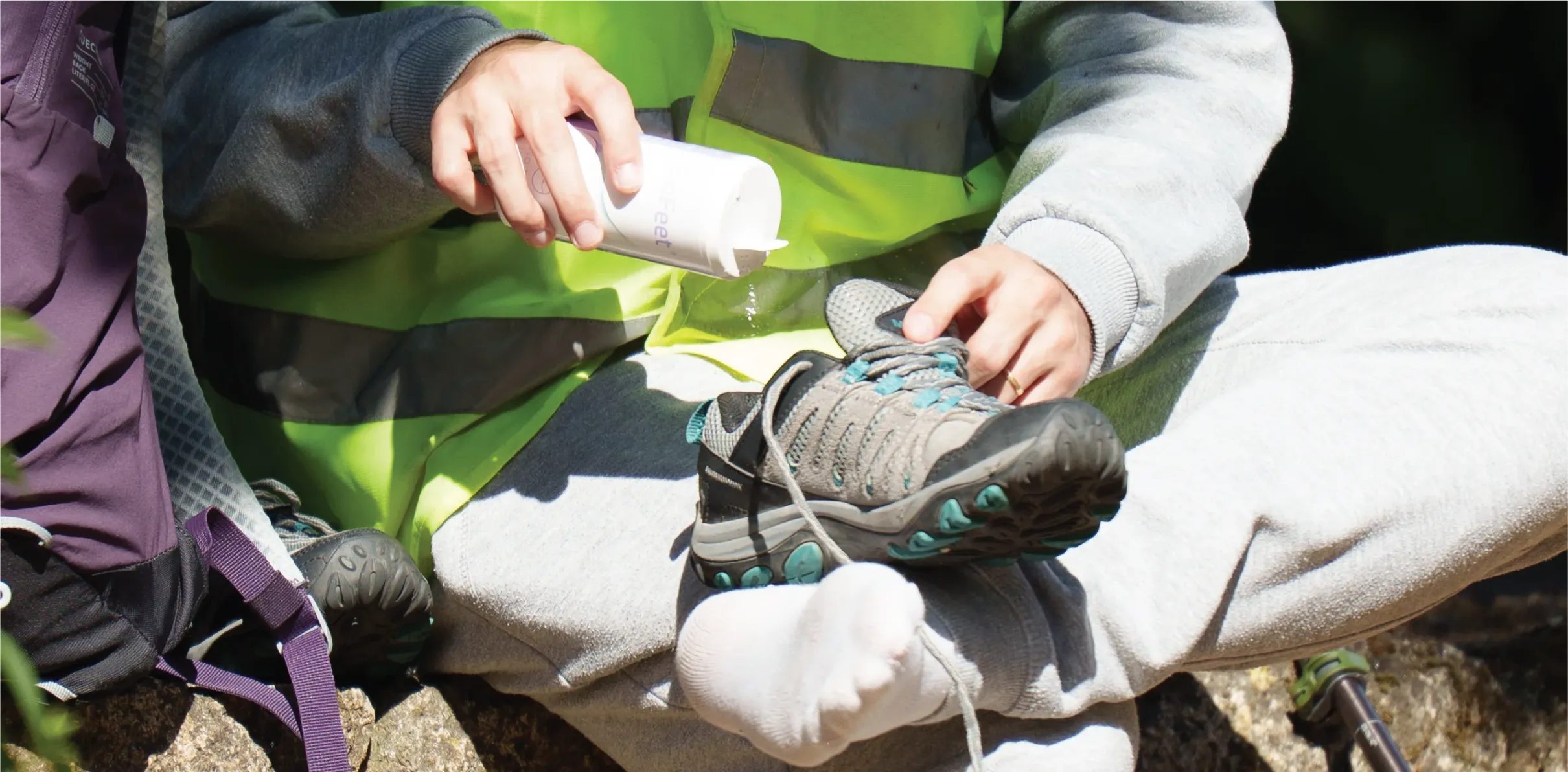
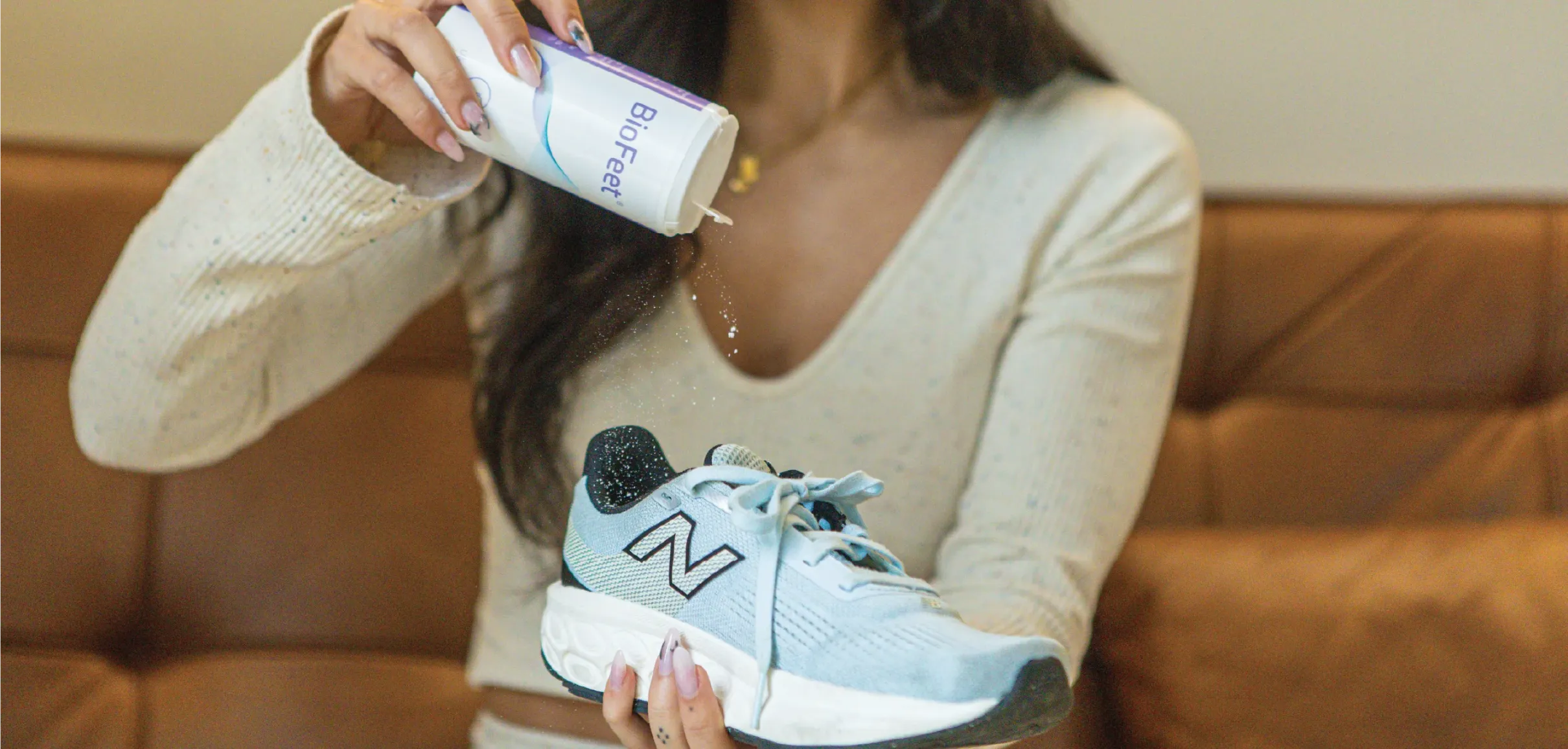
- If necessary, integrate a moisture control routine inside footwear, applying a specific powder for this purpose.
2) Reduce Friction and Pressure on the Nail
If the nail is already fragile, the goal is to reduce repeated aggression:
- Prefer footwear with space in the toe area.
- Avoid trainers or shoes that “hit” the nail.
- In sports, adjust footwear size and sock type.
- Consult a Podiatrist to investigate a possible mechanical or infectious cause.
3) Local Care Focused on Protection and Plate Adhesion
In a nail care routine, it makes sense to integrate a product with nourishing, protective, and reparative action, especially when there is fragility and a tendency to detachment.
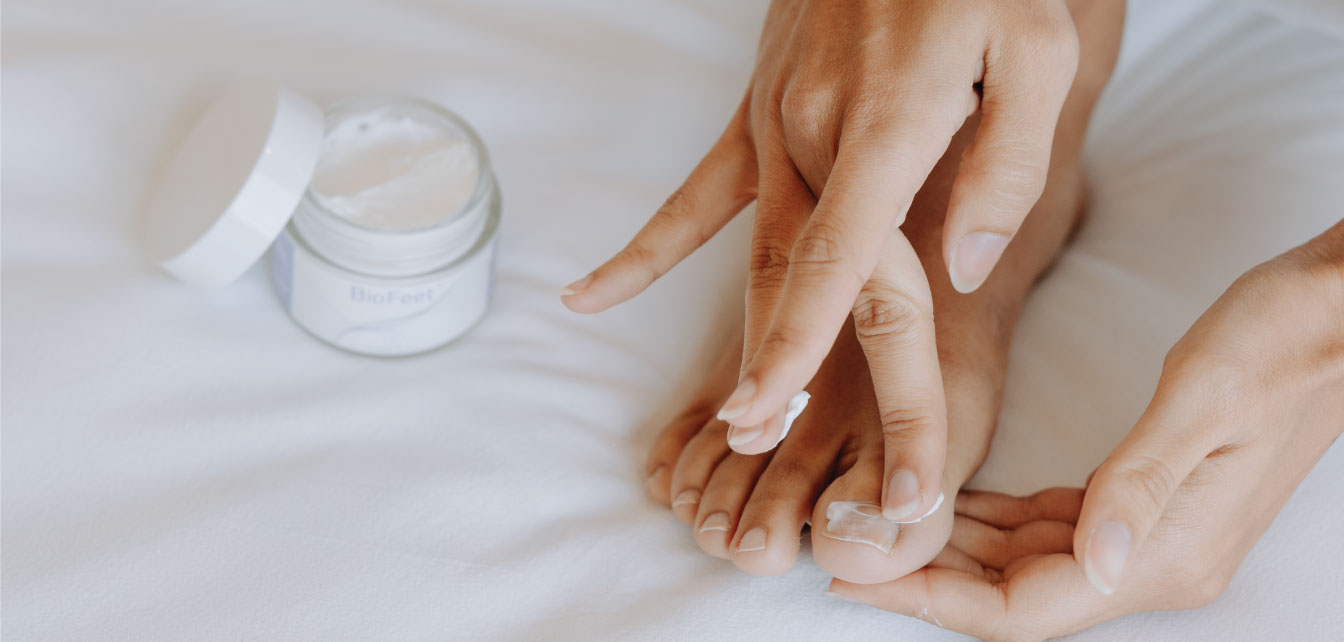
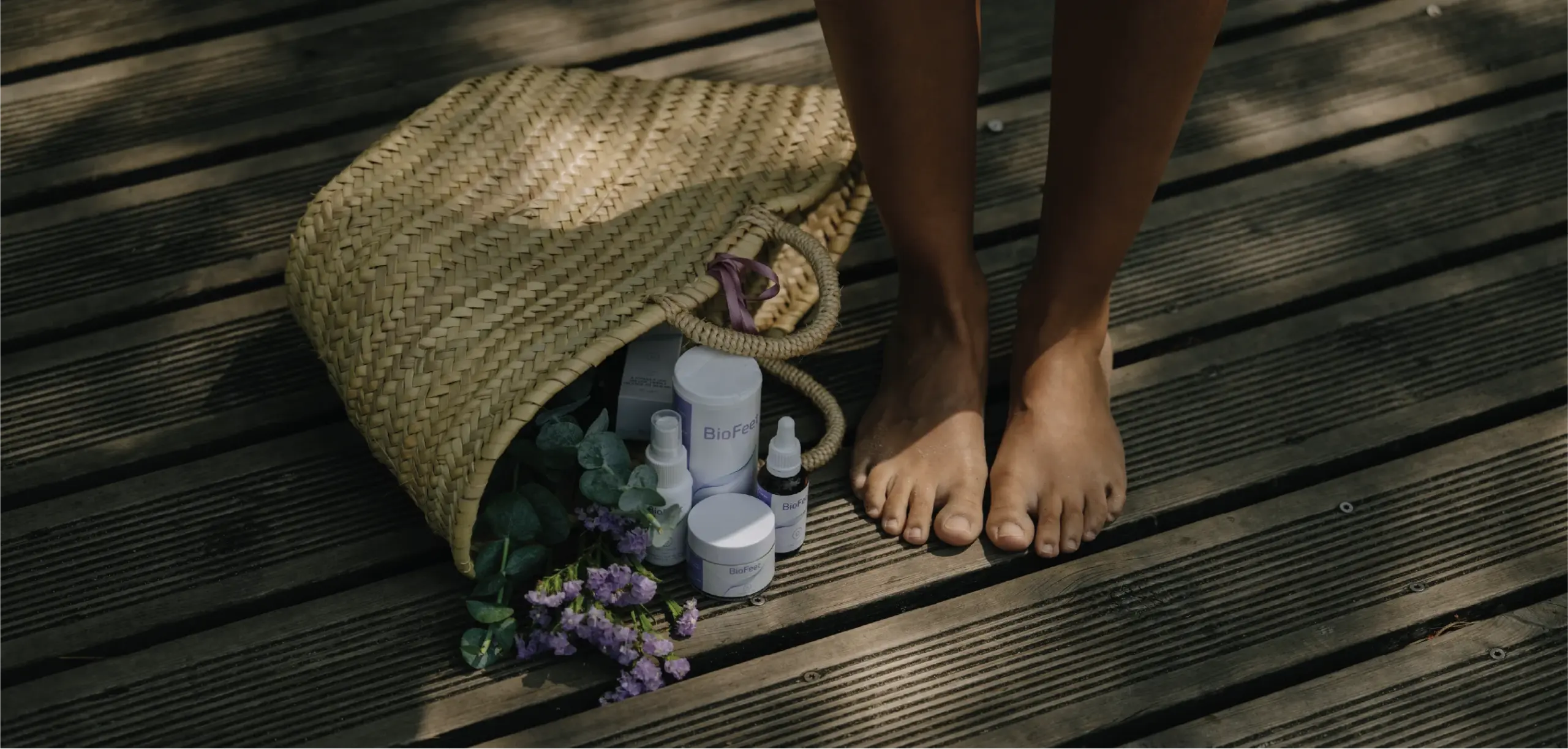
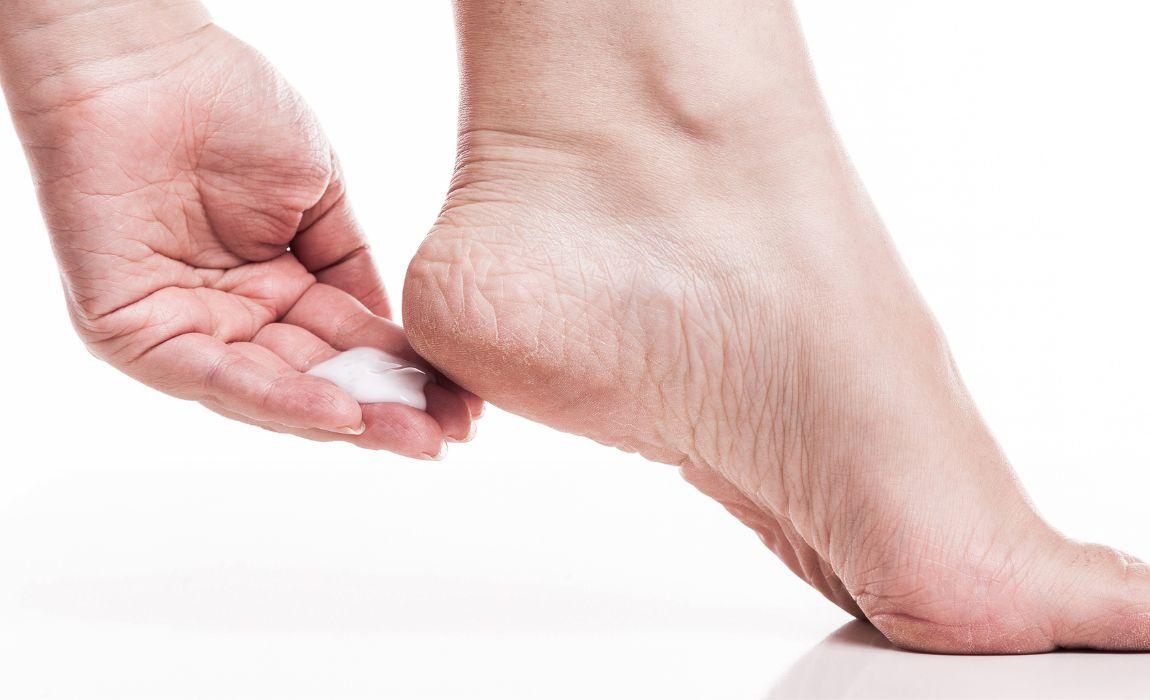
The BioFeet® Foot Cream can be integrated with direct application to the nail plate. Its sealing effect (by promoting the adhesion of the plate to the nail bed) helps protect and strengthen the nail in daily life and keep the area more stable, especially when there is repeated friction, closed footwear, or greater local vulnerability.
How to Integrate BioFeet® Foot Cream into Your Routine
To keep the routine simple and sustainable:
- Apply directly to the nail and surrounding area.
- Maintain consistency, because it is regularity that improves comfort and provides stability to the result.
- When applicable, use as a complement to BioFeet® Drops, which helps regulate nail thickness.
What to Avoid When the Nail Is Fragile
- “Pulling” loose parts of the nail or forcing detachment.
- Filing aggressively or cutting too “close.”
- Keeping footwear damp and not adjusted to foot size.
- Abandoning the routine as soon as it improves, because consistency maintains results in the long term.
When to seek professional guidance
Seek professional evaluation if there is pain, inflammation, bleeding, open wound, rapid worsening, marked alteration in color or thickness, persistent bad odor, or if there is an associated disease (for example diabetes) or doubt in the diagnosis.
Frequently Asked Questions
- Can a Detached Nail Reattach?
It depends on the cause and the condition of the nail. In this context, a product with a sealing effect, such as BioFeet® Foot Cream, which promotes the “bonding” of the nail to the nail bed, can be integrated to help keep the area more protected and stable in daily life. Nevertheless, when there are persistent signs or worsening, professional evaluation is important to identify the cause and guide the approach.
- Can onycholysis / nail detachment be related to nail fungus?
There may be a relationship and persistent alterations should be evaluated by a professional—Podiatrist—to identify the cause and define the most appropriate approach.
- How to Maintain the Routine Without Failing?
Creating a fixed time of day helps (for example, at the end of the day). A short and comfortable routine tends to be more sustainable than an “intense” and difficult-to-follow routine.