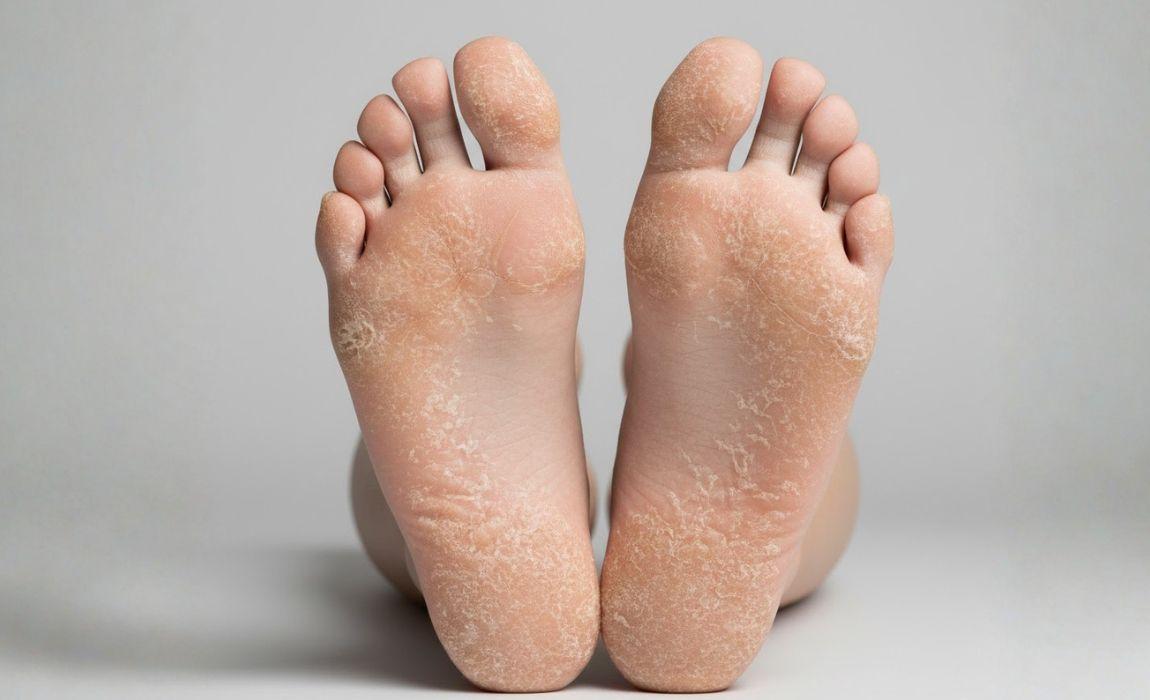
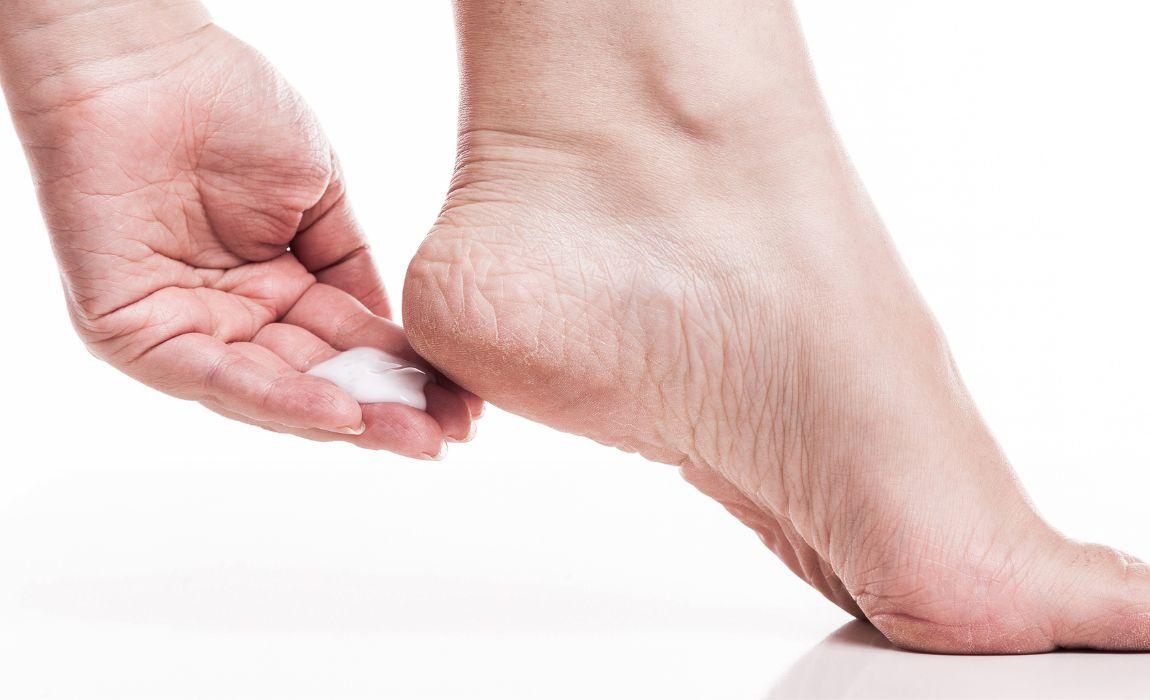
The skin on the Feet is naturally thicker, as it supports load and friction every day. When there are mechanical or structural changes, repeated pressure, inadequate footwear, or excessive sweating, it is common for rough, thick, or flaky skin to appear, accompanied by the build-up of dead skin cells.
This thickening tends to be concentrated on the heel and the sole of the Foot, especially in areas subject to greater pressure.
Discomfort can appear before pain. At this stage, a consistent care routine can make a difference, helping to improve comfort and prevent further build-up of thick skin.
Why do Feet become rough and the skin thicker?
Skin thickening is often the body’s protective response to repeated pressure or friction.
It may be associated with:
- Friction and pressure in specific areas, such as the sole, heel, toes, and edges of the Foot
- Changes in walking style or pressure distribution
- Tight or rigid footwear, with friction points
- Prolonged moisture and perspiration
- Irregular moisturising and a weakened skin barrier
- Aggressive removal with files or cutting instruments, which can sensitize the skin and worsen its protective response
When thickening occurs repeatedly in the same area, it is important to understand what is causing the pressure, rather than just acting on the visible skin.
Signs that the skin needs a gentle renewal
Some signs may indicate an excessive build-up of dead skin cells:
- Persistent roughness, even after moisturizing
- Areas that are harder to the touch
- Thick or whitish skin
- A feeling of tightness, especially at the end of the day
- Tendency for superficial cracks
- Flaking
- Discomfort when walking on hard floors
The presence of pain, inflammation, deep cracks, or rapid skin changes should be evaluated by a professional.
Routine for rough Feet and thick skin
In a routine for rough Feet, consistent care helps to reduce the build-up of dead skin cells and improve comfort when walking.
Hygiene and careful drying
- Wash your Feet gently
- Carefully dry all the skin, especially between the toes
- Avoid putting on shoes while your Feet are still damp
- Do not use footwear that is not completely dry
Accumulated moisture can weaken the skin and increase vulnerability to friction.
Gentle and consistent skin renewal
A routine with selective keratolytic action can help reduce roughness and excess keratin, without resorting to aggressive mechanical removal of healthy skin.
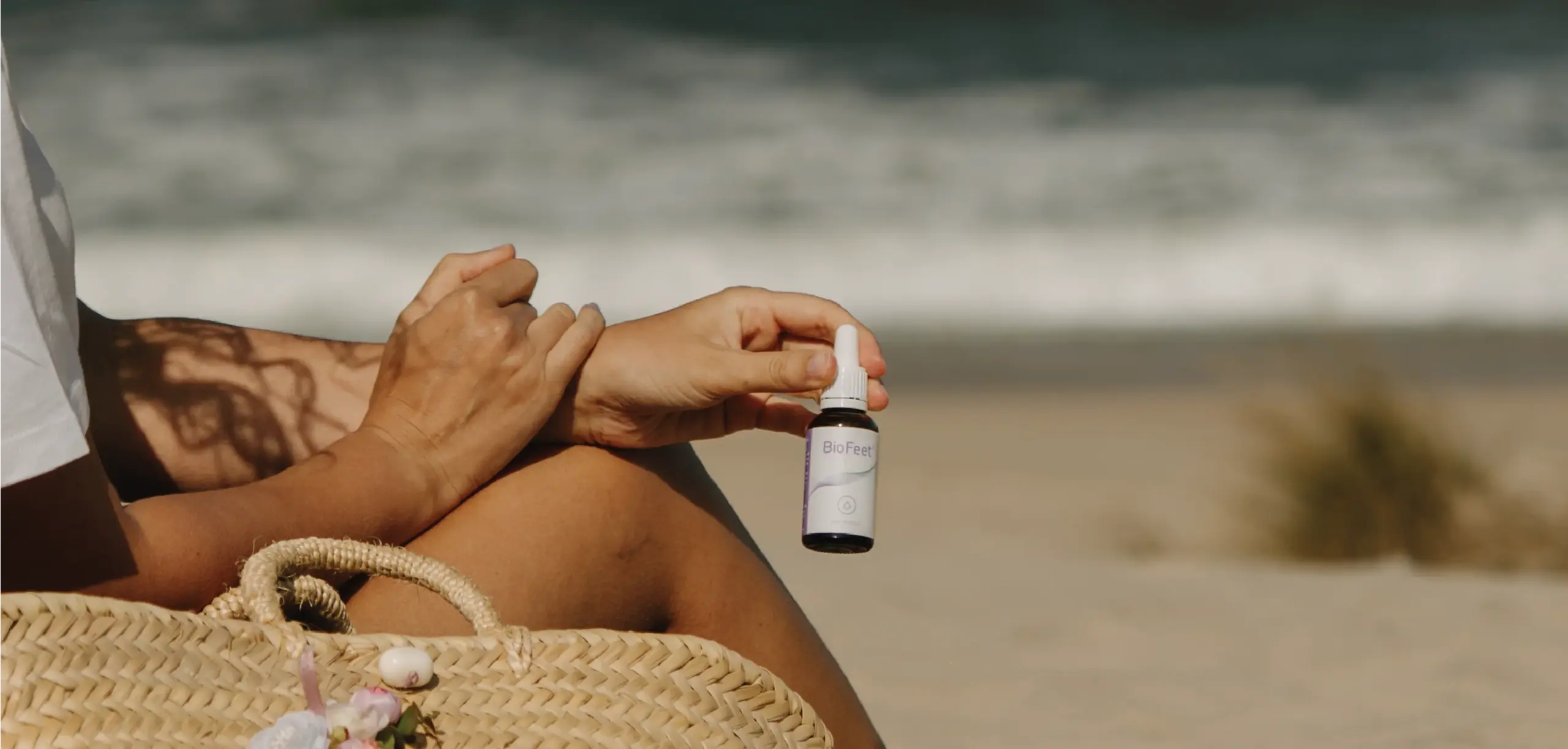
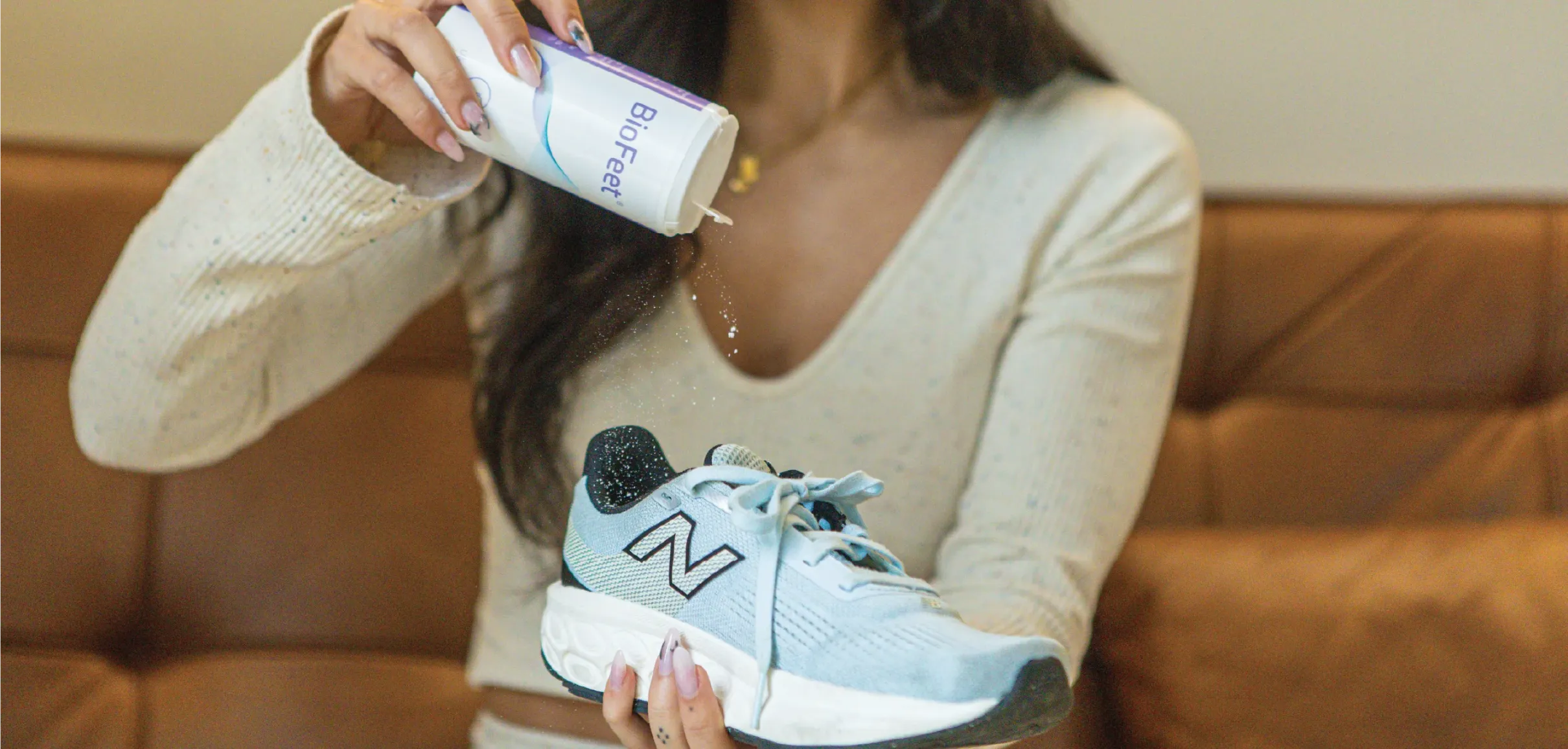
The BioFeet® Foot Drops can be integrated into this routine to support:
- The natural removal of dead skin cells, without harming healthy skin
- The reduction of hard skin layers associated with excessive keratin production
- The control and balance of skin pH
Use should be adapted to the size of the area and carried out according to the instructions on the packaging.
How to apply BioFeet® Drops
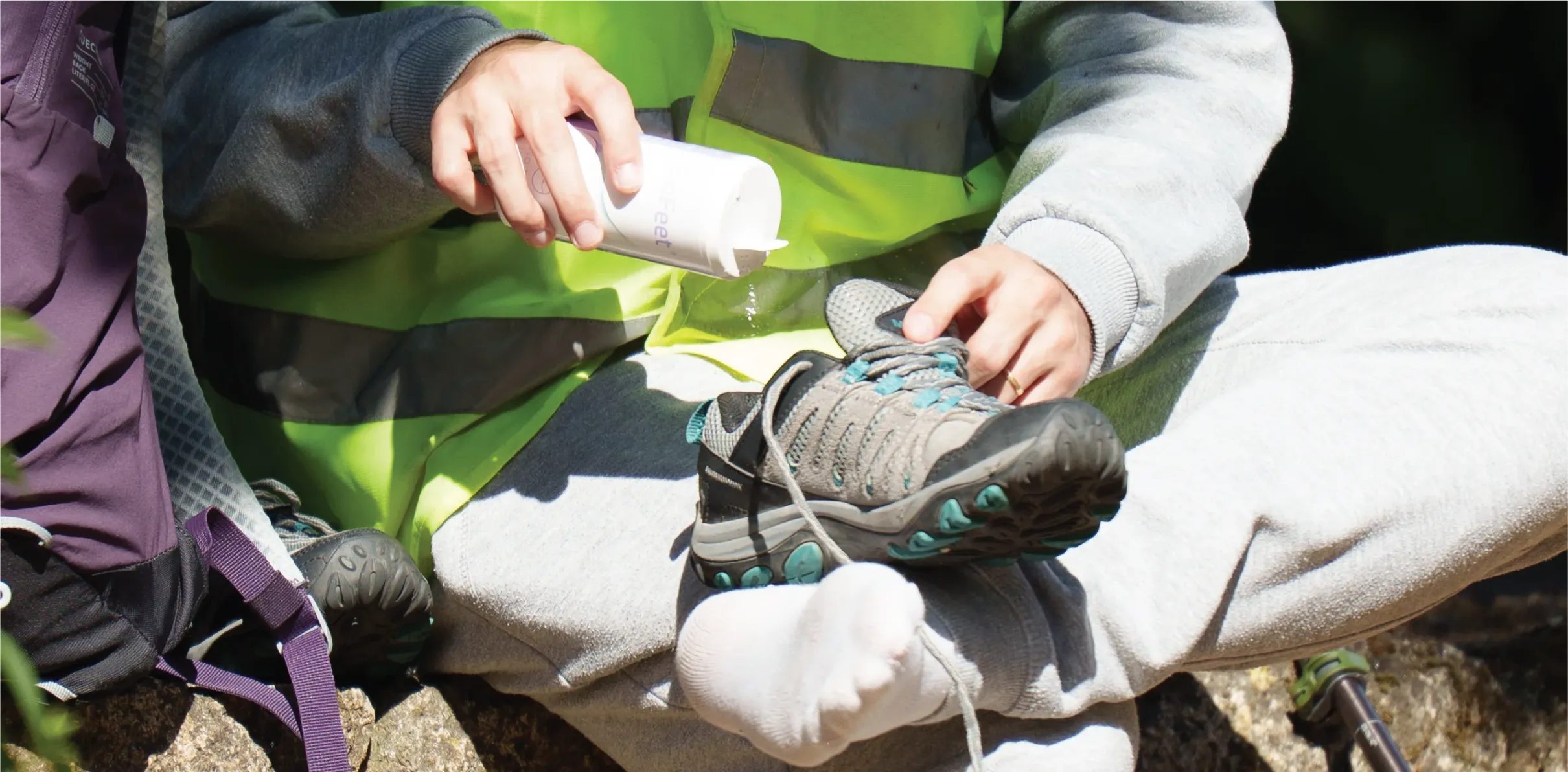
To make it easier to stick to the routine, there are two application methods, chosen according to the size of the area:
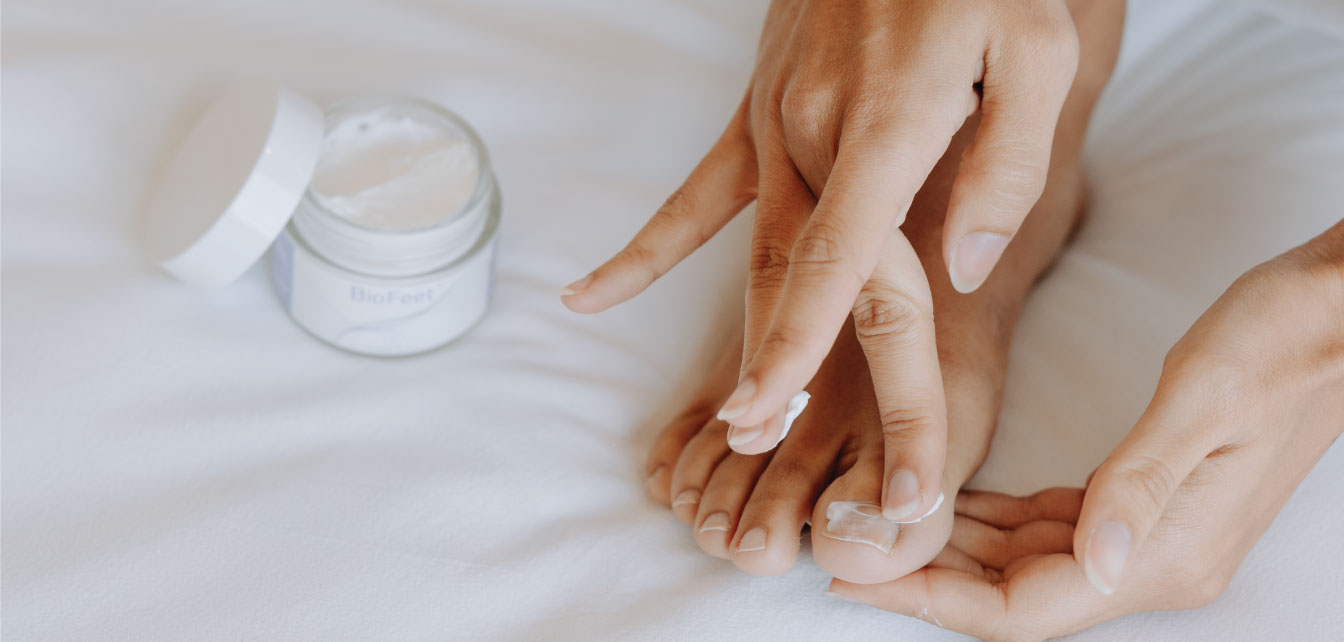
- Direct drop, indicated for specific and localized areas
- Foot bath, suitable when a more uniform application is desired over large areas of the Feet
For the foot bath, 20 drops should be added to one liter of water, leaving it to act for 10 minutes. The application should preferably be done at the end of the day.
The most important thing is to maintain a simple and constant routine. Small care steps performed regularly help to make the skin more comfortable and control the build-up of thick skin.
To complement the care, it is important to maintain a daily hydration routine and correct habits that leave the skin more vulnerable, especially moisture in footwear, repeated pressure, and aggressive skin removal.
What should you avoid?
To avoid sensitizing the skin or worsening the thickening, avoid:
- Filing the Feet aggressively
- Cutting thick skin with blades or other objects
- Removing too much skin in a single application
- Using footwear with pressure or friction points
- Putting on shoes while your Feet or the inside of the shoes are still damp
- Stopping the routine completely as soon as the skin improves
When there is a significant layer of thick skin, pain, or frequent reappearance in the same area, seek an evaluation from a Podiatrist.
When to seek a professional?
Seek professional guidance if there is:
- Pain when walking
- Deep or bleeding cracks
- Itching on the sole of the Foot or between the toes
- Inflammation
- Open wound
- Rapid worsening
- Changes in sensitivity
- Associated disease
- Doubts about the origin of the change
Thick skin can be related to pressure, friction, gait changes, or skin problems. A professional evaluation allows for the identification of the cause and the definition of the most appropriate care.
Frequently Asked Questions
How often should I perform a gentle renewal routine?
It depends on the condition of the skin and the chosen application method. Consistency is more important than intensity.
A regular plan, adjusted to the skin type and respecting the product instructions, tends to be more appropriate than aggressive and occasional interventions.
Does the foot bath replace localized application?
Not necessarily. The foot bath is useful when the area is large and a more uniform application is desired. For specific areas, localized application may be more appropriate.
Why does the heel become rough?
The heel supports a significant part of the body’s load. When there is pressure, friction, dryness, or loss of elasticity, the skin can become progressively thicker and rougher.
Can I file thick skin?
Aggressive filing should be avoided, as it can sensitize the skin, cause small lesions, and stimulate a protective response.
If there is significant, painful, or recurrent thickening, seek a Podiatrist.
Is hydration enough to reduce thick skin?
Hydration helps to improve skin elasticity and comfort, but it may not be enough when there is a significant build-up of dead skin cells.
In these cases, a gentle renewal routine can complement hydration. It is also important to identify and correct the pressure or friction factors that are causing the thickening.